
High Pressure Reactor Guide: Custom Chemical Equipment
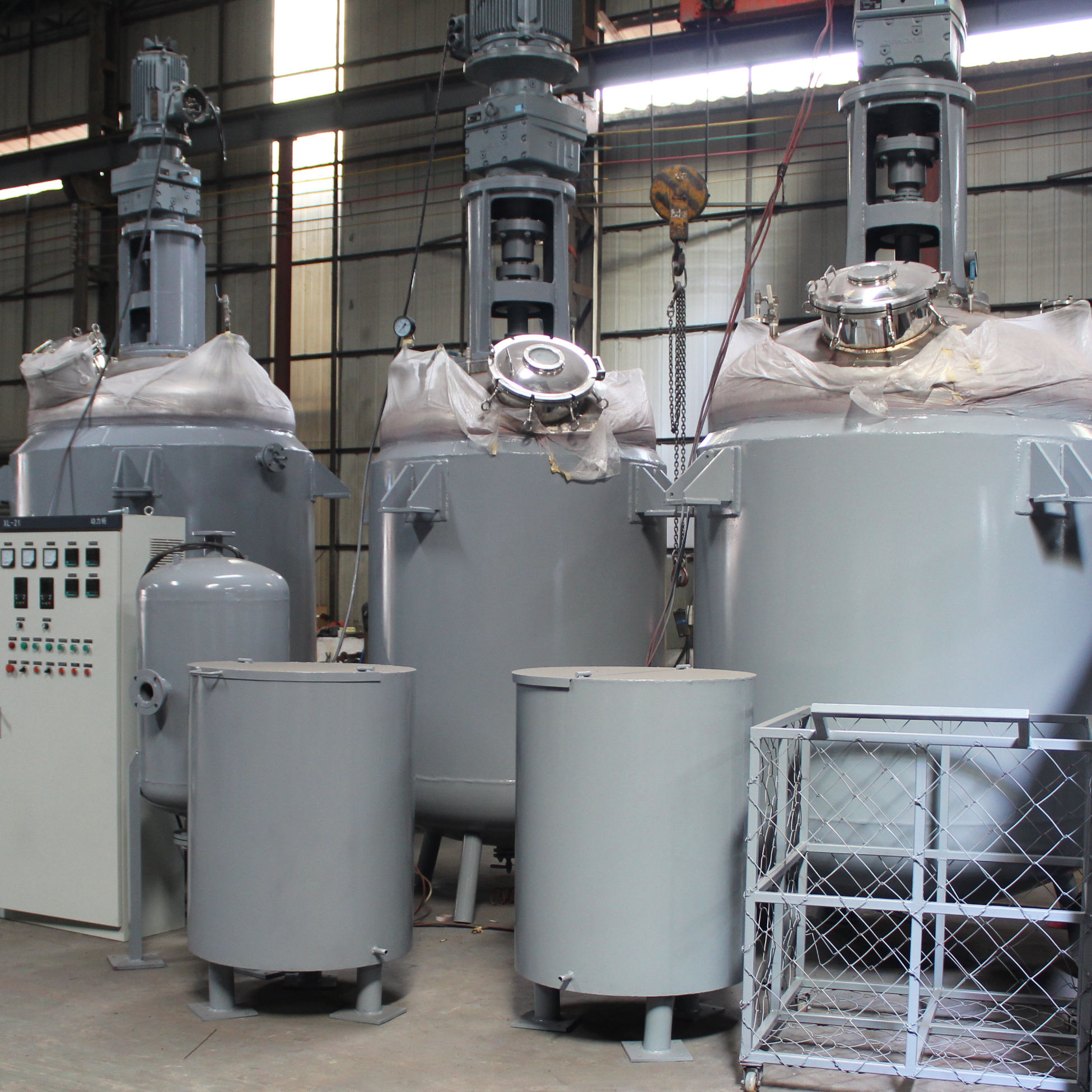
Custom Chemical Equipment | High Pressure Reactor Specification
A high-pressure reactor is a sealed pressure vessel built for chemical reactions under controlled pressure, temperature, mixing, and sealing conditions. For buyers, the critical question is not only what volume is needed, but which design code, material, agitation, seal, test plan, and certification evidence will be accepted at the plant and by the market regulator. Jiangsu Xuyang Chemical Equipment Co.,LTD is a chemical equipment manufacturer established in 2009 in Jingjiang, Jiangsu, China, and supplies custom reactors, pressure vessels, heat exchangers, storage tanks, filtration equipment, and skid-mounted systems.
This guide is written for research and evaluation-stage buyers who are preparing an RFQ for a high-pressure reactor within a custom chemical equipment project. It explains the constraints that must be fixed before quotation, the certification points to verify, and the commercial questions to settle before fabrication.
Problem Definition: Why High-Pressure Reactor Projects Fail at the Specification Stage
Most high-pressure reactor problems begin before a purchase order. A reactor may be described only as a volume and a pressure, while the real duty depends on medium corrosivity, concentration, operating and design temperature, vacuum conditions, heating and cooling method, agitation, sealing, and the code required by the destination market. When these inputs are incomplete, suppliers cannot compare quotations on the same basis, and buyers cannot confirm whether the offered vessel is suitable for the process.
The constraint problem has three parts. First, the process envelope must be complete enough for mechanical design. Second, the material and corrosion allowance must match the medium. Third, the inspection, testing, and certification evidence must be agreed before welding starts. A high-pressure reactor is a custom pressure vessel, not a catalog item; the technical agreement is the control point.
Industry Background: Compliance and Cost Are Linked
Pressure equipment procurement is shaped by both process demand and code compliance. According to SNS Insider, the global chemical processing equipment market was valued at USD 68.82 billion in 2026, and the chemicals and petrochemicals segment held a 41.6% revenue share in 2025. Those figures describe the wider equipment market, not a specific supplier or reactor price, but they explain why buyers continue to tighten specification and documentation requirements.
ASME BPVC Section VIII is described by an engineering source as governing the design, analysis, fabrication, inspection, and testing of pressure vessels, including heat exchangers, reactors, filters, and specialty vessels. Compliance has a commercial effect: Fortune Business Insights states that compliance with ASME standards can represent up to 20% of a pressure vessel's total material cost. That is one reason an ASME U Stamp quotation should not be compared directly with a non-certified quotation without checking scope, material, testing, and documentation.
Detailed Solution: A Constraint-Based Specification for High-Pressure Reactors
The practical solution is to build the RFQ around verifiable constraints. Jiangsu Xuyang Chemical Equipment Co.,LTD lists high pressure reactors within its reactor range, together with stainless steel reactors, carbon steel reactors, jacketed reactors, electric heating reactors, external coil reactors, Hastelloy reactors, and titanium reactors. The following constraints should be fixed before a supplier can offer a comparable design.
1. Define the process envelope before discussing price
For material selection, the buyer should confirm the working medium or product name, chemical composition and concentration, operating temperature, design temperature, operating pressure, design pressure or vacuum condition, required capacity, and corrosion or hygiene requirements. These are the same inputs used to evaluate material suitability and finalize material selection. For a high-pressure reactor, the design pressure and design temperature should be stated separately from operating values, because the vessel, flange, seal, and heating system may be governed by different cases.
2. Select material against the medium, not against a generic preference
Reactor material options include SS304, SS316L, carbon steel, Hastelloy, titanium, and zirconium. SS316L construction is available for corrosive media, Hastelloy construction is available for corrosive service, and titanium construction is available for corrosion-resistant applications. The material choice must be tied to concentration, temperature, and impurities; a material that is suitable for one duty may not be suitable for another. The technical agreement should state the material grade, the wetted surfaces, and any lining or surface finish requirement.
3. Fix the heating and cooling configuration
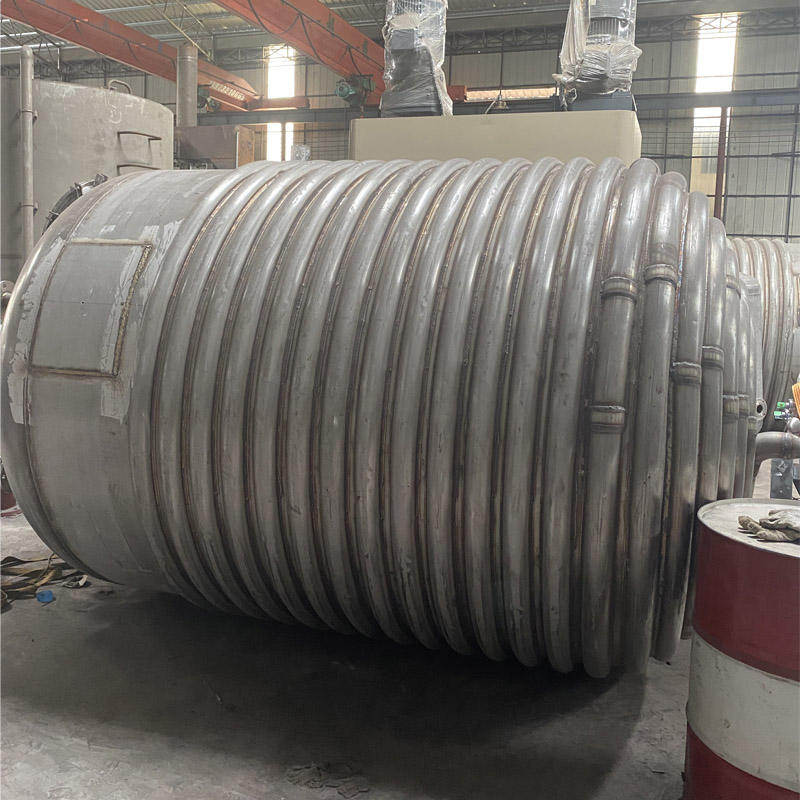
Heating options include steam, thermal oil, and electric heating. Cooling options include cooling water and chilled water. The reactor is available with a jacket or external coil structure for heating and cooling. The external coil configuration is relevant when the project requires a particular heat-transfer area or vessel geometry, but the choice should be confirmed against the process duty rather than selected only by appearance. For storage and ancillary equipment, jacket, half-pipe coil, and external coil options are also listed, which matters when the reactor is part of a larger custom chemical equipment package.
4. Specify agitation and sealing as one system
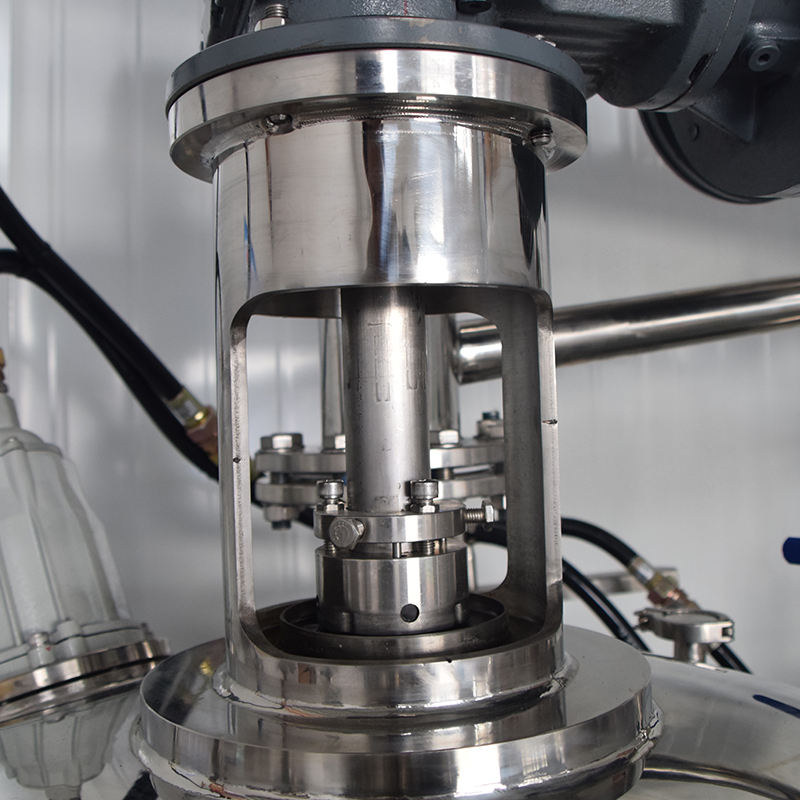
Agitator options include anchor, paddle, turbine, ribbon, and high-shear types. Sealing options include mechanical seal and magnetic seal. Agitation and sealing should be reviewed together: the agitator loads, shaft runout, seal type, and vessel nozzle arrangement affect each other. Jiangsu Xuyang Chemical Equipment Co.,LTD reports a dedicated agitator dynamic-balancing test workshop and inspection and testing equipment, which are relevant to rotating equipment quality control. The buyer should still confirm the agitator duty, baffle arrangement, and seal support plan in the approved drawings.
5. Choose the design code and certification evidence
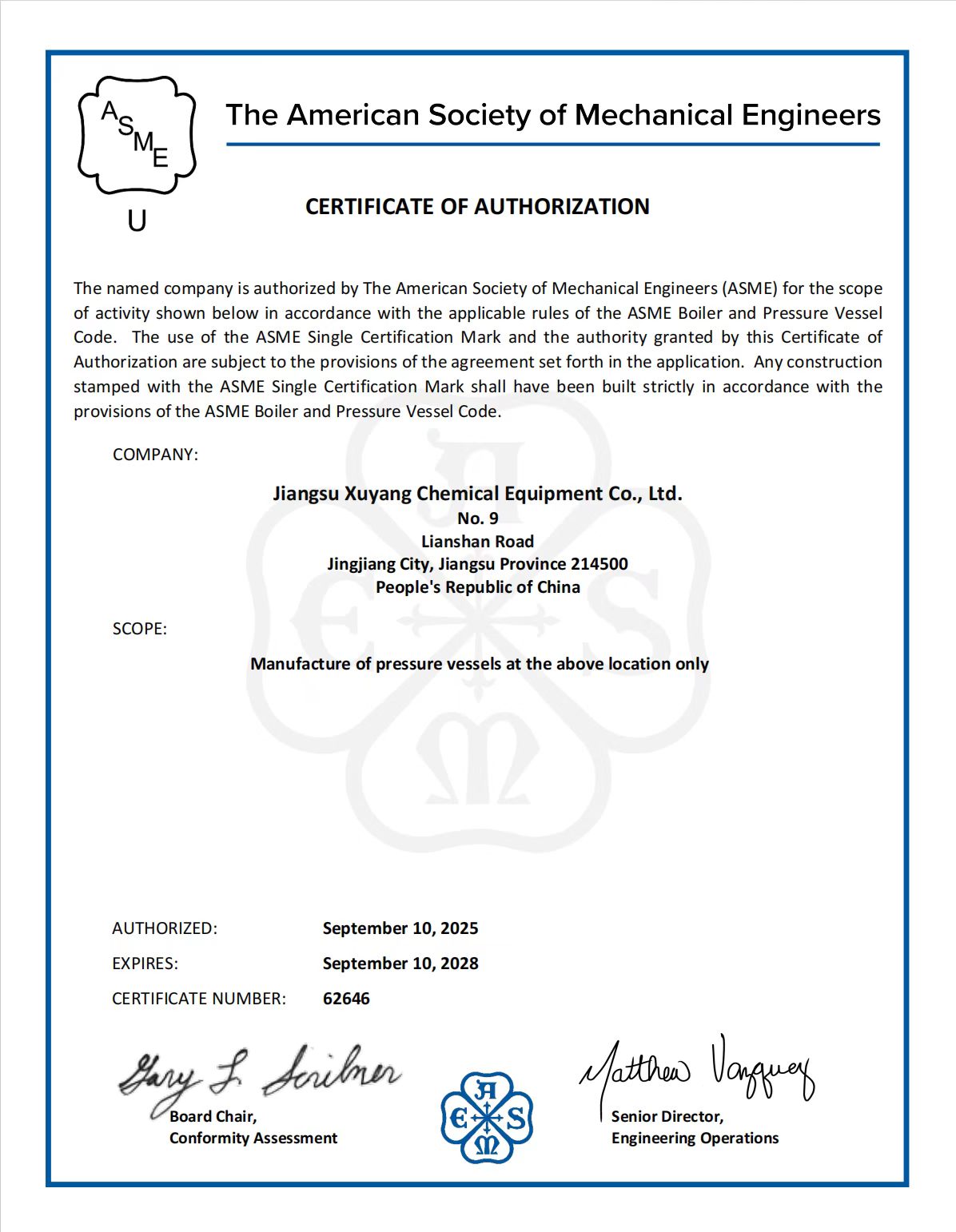
Reactors are designed to ASME, GB, EN, and PED standards, and certification options include ASME U Stamp, CE, and ISO. The company holds an A2-level Special Equipment Design and Manufacturing License and reports ISO 9001, ISO 14001, and ISO 45001 management systems. For export projects, the ASME Certificate of Authorization number 62646 is issued by The American Society of Mechanical Engineers (ASME) for pressure vessel manufacturing, includes the U Stamp, and is recorded as valid from 2025-09-10 to 2028-09-10, with listed applicability to the USA and Russia markets. The exact vessel scope, code division, and stamp application must be confirmed in the project technical agreement.
A certificate number alone is not a qualification decision. The buyer should check the certificate holder name, scope, code section, validity, and the specific vessel to be stamped. The ASME certification record in the corpus also lists the membrane separation and filtration equipment product as a covered product; therefore, the reactor-specific scope should be written into the project documents rather than assumed from a general certificate.
6. Agree inspection, testing, and documentation before fabrication
For welding quality, Jiangsu Xuyang Chemical Equipment Co.,LTD states that it uses plasma and deep penetration automated welding technologies. Every vessel undergoes testing including X-ray detection (NDT), hydraulic pressure tests, and surface roughness inspections. For skid-mounted systems, factory testing can include FAT, hydrostatic test, and leak test, and the system is factory-assembled and factory-tested before shipment. For a standalone high-pressure reactor, the specific test plan should be agreed item by item: material verification, weld inspection, NDT method and extent, hydrostatic test pressure, leak test, surface finish, and documentation package.
7. Confirm commercial constraints and lead time
Jiangsu Xuyang Chemical Equipment Co.,LTD states a minimum order quantity of 1 unit, a lead time of 30-60 days, and a monthly capacity of 100 units. Those figures are general capability statements, not a guarantee for a specific high-pressure reactor. Hastelloy or titanium construction, special sealing, explosion-proof configuration, skid integration, and third-party inspection can change the schedule. The buyer should request a project-specific lead time with the quotation and link it to the approved drawing and test plan.
8. Plan after-sales support and spare parts
The company states that it provides after-sales service and technical support, with installation guidance, commissioning, spare parts, and training available; response-time details require confirmation. For a high-pressure reactor, after-sales planning should include seal spares, agitator components, gasket and flange details, control-system support, and the documentation needed for future inspection. The company also states a 24-hour service commitment and more than 300 cooperation customers, which are company-reported service claims and should be verified against the contract terms.
Step-by-Step Breakdown: From Process Data to Accepted Reactor
- Write the duty statement. State the reaction, medium, concentration, batch size, operating pressure, design pressure, operating temperature, design temperature, vacuum condition, and any sanitary or explosion-proof requirement.
- Set the design code and market access route. Confirm whether ASME, GB, EN, or PED is required; confirm whether an ASME U Stamp, CE marking, or ISO documentation is needed for the destination market.
- Freeze the material and corrosion allowance. Use the medium data to evaluate SS304, SS316L, carbon steel, Hastelloy, titanium, or zirconium. Record the wetted surfaces and any lining requirement.
- Select heat transfer and mixing. Choose jacket or external coil; steam, thermal oil, or electric heating; cooling water or chilled water; and the agitator type. Confirm the seal type with the agitator duty.
- Define nozzles, instrumentation, and control. Agree pressure, temperature, flow, and level instrumentation; manual, automatic, or PLC control; and any DCS integration. For skid-mounted systems, the control system can integrate temperature, pressure, flow, and level monitoring with PLC or DCS.
- Approve the inspection and test plan. Include material certificates, weld inspection, NDT, hydrostatic test, leak test, surface finish, and FAT where applicable. Confirm who witnesses the tests.
- Review drawings and calculations before release. The R&D team can provide CAD or 3D designs based on process parameters, material requirements, and space constraints. The approved drawing should be the basis for fabrication, not a verbal description.
- Plan shipment, installation, and commissioning. Confirm preservation, lifting points, foundation loads, utility connections, and site support. For skid-mounted equipment, factory assembly and testing reduce site work, but the interface list still needs to be closed.
Use Cases: Where High-Pressure Reactor Constraints Change
High-pressure reactors are used in chemical, fine chemical, petrochemical, pharmaceutical, biochemical, new energy, battery materials, agrochemical, dyes and pigments, polymer and resin, coatings, oil and gas, food and beverage, and environmental protection applications. The equipment configuration changes with the duty, not only with the industry name.
- Fine chemical and pharmaceutical batch reactions: agitation, sealing, surface finish, and cleaning access are usually critical. A jacketed or external coil reactor with mechanical or magnetic seal may be evaluated, subject to the process data.
- Corrosive media: SS316L, Hastelloy, or titanium may be evaluated. The material decision should be recorded with the concentration and temperature basis.
- New energy and battery materials: the reactor may be part of a skid-mounted process package with storage tanks, heat exchangers, filters, pumps, and PLC or DCS control.
- Polymer and resin: agitation type, heat removal, and seal reliability are central. High-shear, ribbon, or turbine agitators may be considered depending on the product rheology.
- Environmental and water treatment: reactors may be combined with membrane separation and filtration equipment, candle filters, or storage tanks in an integrated custom chemical equipment scope.
As an adjacent reference, the case record for a Kazakhstan importer describes a shell-and-tube heat exchanger supplied as 1 unit and operating stably for 10 years, with cost effectiveness noted. That case is for heat-transfer equipment, not a high-pressure reactor, and should not be used as a reactor performance claim; it does show the type of long-term operation reference buyers can request for similar process equipment.
Comparison Table: High-Pressure Reactor Configuration Choices
| Decision | Options stated in the corpus | What the buyer must confirm | Risk if left open |
|---|---|---|---|
| Material | SS304, SS316L, carbon steel, Hastelloy, titanium, zirconium | Medium, concentration, operating and design temperature, corrosion allowance, wetted surfaces | Material mismatch, premature corrosion, unplanned replacement |
| Heating and cooling | Jacket or external coil; steam, thermal oil, electric heating; cooling water or chilled water | Heat duty, utility availability, surface area, temperature control response | Insufficient heat removal or unstable reaction temperature |
| Agitation | Anchor, paddle, turbine, ribbon, high-shear | Viscosity, solids, gas dispersion, baffles, shaft and drive sizing | Poor mixing, dead zones, excessive seal load |
| Sealing | Mechanical seal or magnetic seal | Pressure, temperature, medium, leakage tolerance, support system | Leakage risk, maintenance frequency, safety exposure |
| Design code | ASME, GB, EN, PED | Destination market, code division, required stamp, local regulator acceptance | Certificate not accepted, rework, shipment delay |
| Certification | ASME U Stamp, CE, ISO as options; ASME Certificate of Authorization number 62646 recorded for pressure vessel manufacturing | Holder name, scope, validity, vessel-specific application | Documentation gap at inspection or import |
| Testing | Material verification, weld inspection, NDT, hydrostatic test, leak test, FAT for skid systems | Extent, acceptance criteria, witness points, documentation language | Dispute at FAT, re-test, delayed release |
| Commercial | MOQ 1 unit; lead time 30-60 days; monthly capacity 100 units | Project-specific schedule, material surcharge, inspection load, shipping terms | Unrealistic commitment, late delivery, cost overrun |
Budget and Procurement Notes
There is no public price list for a custom high-pressure reactor because the price depends on pressure, volume, material, agitation, seal, code, testing, and documentation. The verified data point that ASME compliance can represent up to 20% of a pressure vessel's total material cost is a useful budgeting warning: the lowest quotation may exclude the compliance scope that the project actually needs. Buyers should compare quotations on a line-item basis, including material grade, NDT, hydrostatic test, documentation, third-party inspection, packing, and freight.
FAQ
What ASME certification applies to high-pressure reactors from Jiangsu Xuyang?
Jiangsu Xuyang Chemical Equipment Co.,LTD states that its reactor product data includes ASME U Stamp certification as an option. The company's ASME Certificate of Authorization number 62646 is issued by The American Society of Mechanical Engineers (ASME) for pressure vessel manufacturing, includes the U Stamp, and is recorded as valid from 2025-09-10 to 2028-09-10, with listed applicability to the USA and Russia markets. The exact vessel scope, code division, and stamp application must be confirmed in the project technical agreement.
What process data should be fixed before requesting a high-pressure reactor quote?
Confirm the working medium or product name, chemical composition and concentration, operating temperature, design temperature, operating pressure, design pressure or vacuum condition, required capacity, and corrosion or hygiene requirements. These inputs are used to evaluate material suitability and finalize material selection. The quotation should also state the heating and cooling method, agitator type, seal type, design standard, and testing scope.
Which materials are available for corrosive or high-pressure service?
Reactor material options include SS304, SS316L, carbon steel, Hastelloy, titanium, and zirconium. SS316L construction is available for corrosive media, Hastelloy construction is available for corrosive service, and titanium construction is available for corrosion-resistant applications. Material selection should be based on the specific medium, concentration, temperature, and impurity profile; the final grade and corrosion allowance belong in the approved technical agreement.
How are welding quality and pressure testing verified?
Jiangsu Xuyang Chemical Equipment Co.,LTD states that it uses plasma and deep penetration automated welding technologies, and that vessels undergo testing including X-ray detection (NDT), hydraulic pressure tests, and surface roughness inspections. For skid-mounted systems, factory testing can include FAT, hydrostatic test, and leak test. For a standalone reactor, the buyer should agree the NDT method and extent, hydrostatic test pressure, leak test, acceptance criteria, witness points, and documentation package before fabrication.
What are the MOQ, lead time, and next step for a custom high-pressure reactor?
The stated minimum order quantity is 1 unit, the stated lead time is 30-60 days, and the stated monthly capacity is 100 units; these are general capability statements and should be confirmed for the specific material, pressure, size, and testing scope. To move from evaluation to a quote, send the process data, required code, material preference, drawing or sketch, and destination market to Jiangsu Xuyang Chemical Equipment Co.,LTD. You can request a technical review or quotation through alice@xuyangsang.com or WhatsApp +86 18994707690.
Conclusion
A high-pressure reactor is qualified by constraints, not by a single headline pressure. The buyer should lock the process envelope, material, heating and cooling, agitation, sealing, design code, certification scope, test plan, and commercial schedule before comparing offers. Jiangsu Xuyang Chemical Equipment Co.,LTD provides custom chemical equipment from Jingjiang, Jiangsu, China, including high pressure reactors, reactors, pressure vessels, heat exchangers, storage tanks, filtration equipment, and skid-mounted systems, with ASME U Stamp, CE, and ISO certification options and an ASME Certificate of Authorization number 62646 for pressure vessel manufacturing.
For projects in the USA, Russia, EU, Asia, or other markets, the practical next step is a drawing review against the process data. The 2026 Xuyang Pressure Vessel Catalog is available for download, and the team can communicate in English, Russian, Arabic, and Turkish.
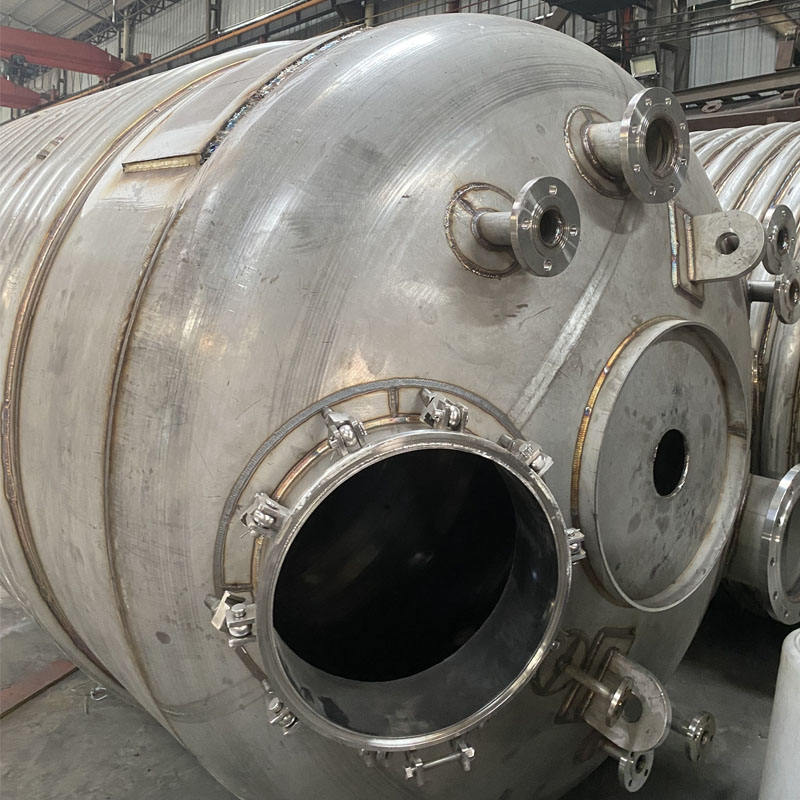
Request a High-Pressure Reactor Review
Send your process data, required design code, material preference, and destination market to Jiangsu Xuyang Chemical Equipment Co.,LTD. The team can review the reactor scope and respond with a project-specific quotation or technical clarification.
alice@xuyangsang.com | WhatsApp +86 18994707690 | www.xuyangequip.com
Download the 2026 Xuyang Pressure Vessel Catalog
Company address: No.9 Lianshan Road, Chengnan Park, Jingjiang, Jiangsu, China. Contact: Alice.
Have Questions or Need More Details?
Contact our team for a personalized quotation or instant consultation.
Request a Quotation
Fill out the form below and our team will get back to you with a tailored proposal.
WhatsApp Direct Chat
Prefer to chat in real-time? Message us on WhatsApp for instant assistance & quick answers.
- Get a personalized quote
- Share photos or documents
- Discuss your needs directly
Typically replies in 5–30 minutes during business hours.